What makes gratitude work in a marriage
November 18, 2026 · 3 min read
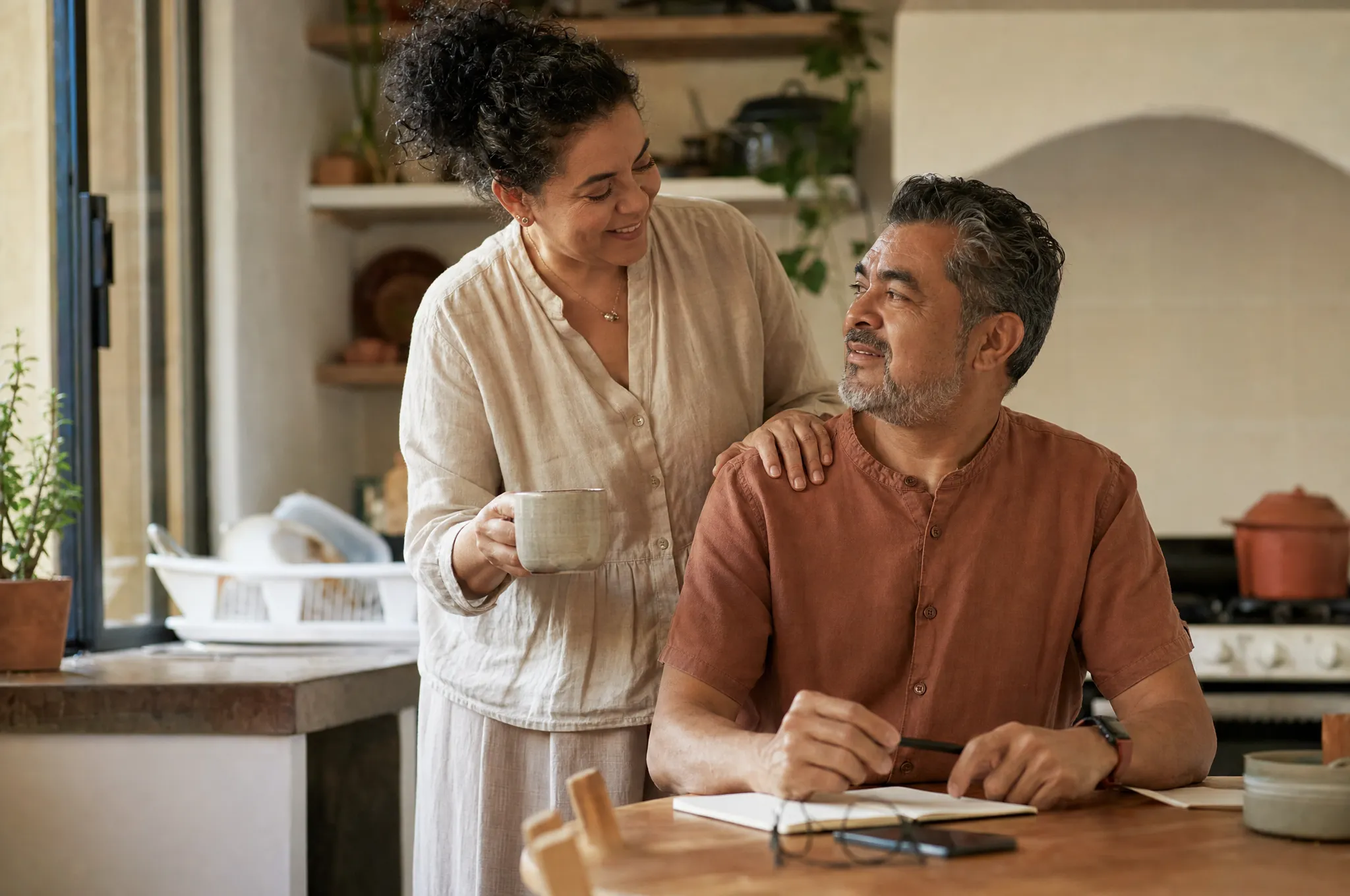
Of all the advice couples get, "say thank you more" might be the most dependable. The research backs it, with one encouraging refinement: gratitude lands best when it's real.
This is a spoke off what the research says about a strong marriage; the sources are on the gratitude and appreciation index. It pairs with does gratitude really help a marriage?.
Gratitude helps
Start with the good news, because it's well supported. Across observational and experimental samples, one partner's expressed gratitude for the other's efforts to change was linked to greater success at making that change, consistently explained by more self-determined motivation (Sisson, 2025). The experiments support a causal reading, though the change was self-reported.
Appreciation shapes the everyday, too. In a five-week randomized experiment, couples assigned to a simple gratitude-expression plan spent more time physically together in daily life than a control group (Chang, 2022). A little more thanks, a little more time in the same room.
It works best when it's genuine
Here's the freeing part: the benefit comes from real appreciation, not performance. Across four studies of 639 couples, thanks that outran the genuine feeling lost its warmth, through a drop in authenticity (Shimshock, 2026). You don't have to manufacture over-the-top praise. A sincere, specific thank-you does more than a dozen hollow ones. These designs are correlational and short-term, so they suggest rather than settle.
Sincerity does the work
What a partner reads as heartfelt seems to matter more than anything else. In 214 couples studied through daily reports, a lab session, and a three-month follow-up, both expressing and sensing sincerity about gratitude predicted greater well-being (Le, 2026). The findings are correlational, but the direction is encouraging: meaning it is what counts.
Feeling appreciated matters most
The deepest version isn't about the words at all. In 316 couples followed over about 16 months, feeling appreciated buffered the link between everyday stressors and strain on the relationship, while expressed thanks on its own did not (Barton, 2023). It is one population observed over time, so it may not generalize, but it points somewhere useful: the goal is for your partner to actually feel valued.
What this means in practice
The encouraging takeaway is that you don't need grand gestures or a gratitude journal full of superlatives. Notice the real things — the ordinary effort your partner puts in — name them specifically, and mean it. Remembering those things is the part worth the effort, and it's within anyone's reach.
Husband Field Guide is a private field guide for iPhone — a memory and connection tool, not counseling or therapy — that helps you hold on to the particulars worth appreciating, so the thanks you give has something true behind it. It reports research like this and recommends nothing.
Common questions
Does gratitude help a relationship? Yes. Expressed gratitude for a partner's efforts was linked to more successful change (Sisson, 2025), and a gratitude-expression plan increased couples' time together in a randomized experiment (Chang, 2022).
Do I need to gush to show appreciation? No. Appreciation that outruns the genuine feeling loses its warmth, so sincere, specific thanks works better than a flood of praise (Shimshock, 2026).
Does it matter whether gratitude feels sincere? It appears to. Sensing sincerity about gratitude predicted greater well-being (Le, 2026). These are mostly correlational findings.
What matters most, saying thanks or feeling appreciated? Feeling appreciated. In one study it buffered stress on relationship quality where expressed thanks alone did not (Barton, 2023).