Best keto sweetener: allulose vs. monk fruit vs. erythritol
August 9, 2026 · 6 min read
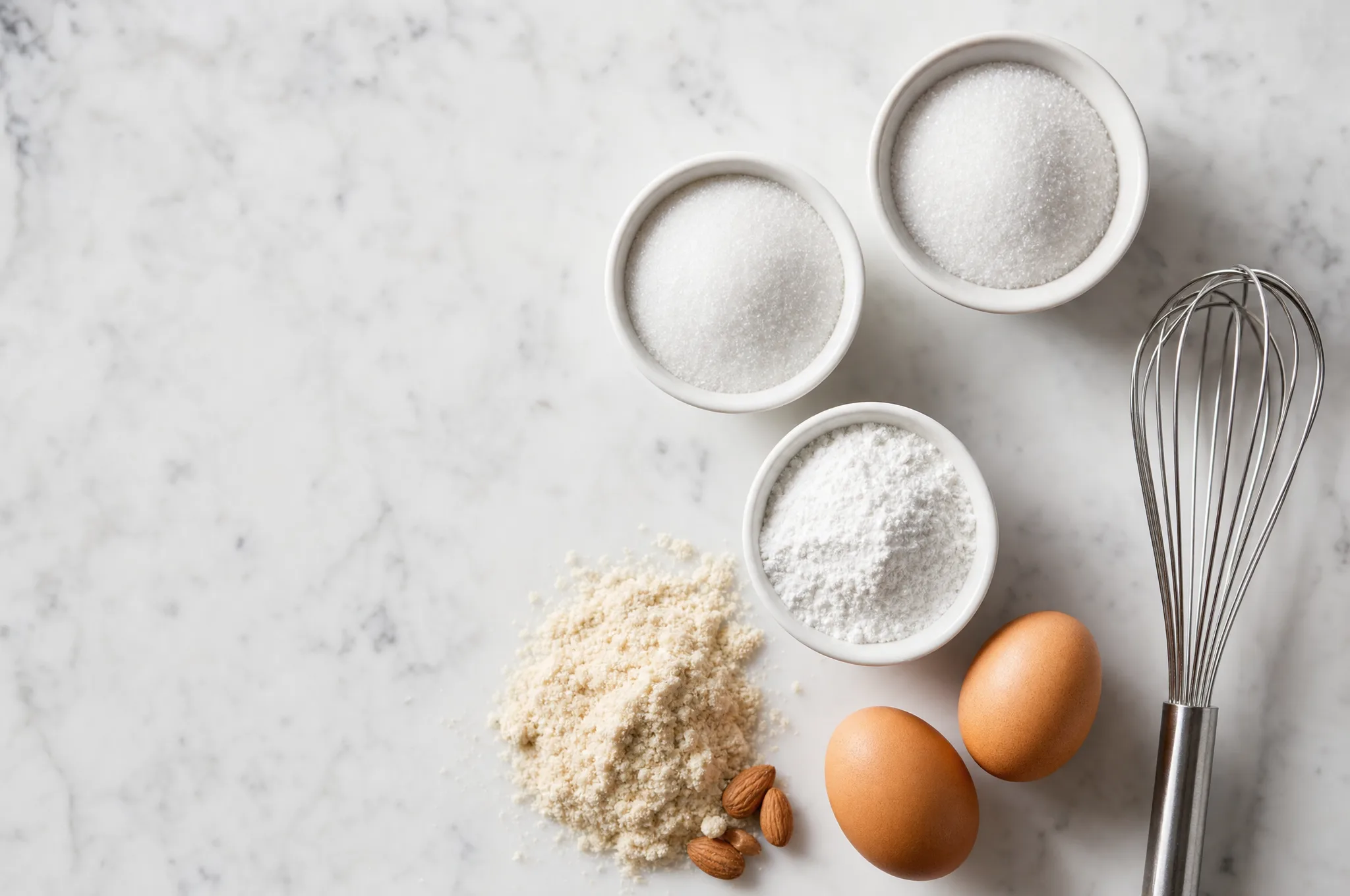
If you want the short answer: allulose behaves most like real sugar (it browns, caramelizes, and has no cooling aftertaste), so it's the best pick for baking. Monk-fruit blends are the easy 1:1 all-rounder that swap straight in for sugar. Erythritol is the cheap, widely available workhorse, but it has a cooling aftertaste and won't brown. And stevia is very sweet and works well in drinks. There's no single "best" — the right pick depends on what you're making.
Some links here point to our favorite keto products, which use affiliate links — if you buy through one we may earn a small commission at no extra cost to you. It never changes our picks.
How the four compare
| Sweetener | Sweetness vs sugar | Browns/caramelizes | Cooling aftertaste | Best for |
|---|---|---|---|---|
| Allulose | ~70% as sweet | Yes | None | Baking, caramel, ice cream |
| Monk-fruit blend | ~1:1 (usually) | No | Mild | All-purpose sugar swap |
| Erythritol | ~70% as sweet | No | Yes, noticeable | Cheap bulk sweetening |
| Stevia | Much sweeter (tiny amounts) | No | None, but can taste bitter | Coffee, tea, drinks |
Allulose
Allulose is the one that acts like sugar in the pan. It browns, it caramelizes, and it keeps baked goods soft instead of drying them out — so cookies, caramel, and no-churn ice cream come out closest to the real thing. It's about 70% as sweet as sugar, so you usually use a bit more to match. Because it doesn't recrystallize, it also keeps ice cream scoopable straight from the freezer.
Pros: Browns and caramelizes; no cooling aftertaste; keeps bakes soft; great in frozen desserts. Cons: Less sweet than sugar, so you use more; can cause gas or GI upset in large amounts; often costs more and is less available than erythritol. Best for: Cookies, caramel, custards, and ice cream — anywhere you want real browning.
The pick: RxSugar allulose.
Monk fruit (and blends)
Most "monk fruit" you buy on a shelf is a blend — monk fruit extract cut with erythritol so it measures cup-for-cup like sugar. That 1:1 swap is the whole appeal: you don't have to do math, and it works across most recipes. Because there's erythritol in the mix, you'll notice a mild cooling note, but it's gentler than straight erythritol. Pure monk fruit extract on its own is intensely sweet and hard to measure, which is why the blends exist.
Pros: 1:1 sugar swap; versatile; milder cooling than plain erythritol; widely sold in granulated and powdered forms. Cons: Usually still erythritol-based, so the cooling isn't gone; doesn't brown; "monk fruit" on the label can hide very different blends. Best for: An everyday, no-math sweetener for baking, coffee, and sauces.
The pick: Lakanto.
Erythritol
Erythritol is the cheapest and most available of the bunch, which is why it shows up in so many products. It's about 70% as sweet as sugar, it doesn't brown, and it has a distinct cooling aftertaste — think the cool feeling of a breath mint — that some people barely notice and others find distracting. In large amounts it can also crystallize in bakes, leaving a slight grittiness. Some people choose to limit erythritol for their own reasons; that's a personal preference, and it remains one of the most common keto sweeteners on the market.
Pros: Cheapest per use; easy to find; nearly no aftertaste in small amounts. Cons: Cooling aftertaste that grows with quantity; doesn't brown; can crystallize and turn gritty. Best for: Budget bulk sweetening where a slight cool note doesn't matter.
Stevia
Stevia is many times sweeter than sugar, so a little goes a long way — which is both its strength and its problem. In coffee, tea, and other drinks it's clean and works well. In baking it's tricky: you're adding such a tiny amount of actual sweetener that you lose the bulk sugar normally provides, and pushing the dose too far brings out a bitter, licorice-like edge. Blends that pair stevia with erythritol or allulose smooth this out.
Which should you buy?
- Baking and caramel → allulose, for real browning and soft texture.
- All-purpose 1:1 sugar swap → a monk-fruit blend, for no-math convenience.
- Cheap bulk sweetening → erythritol, if you can live with the cool note.
- Coffee and drinks → stevia or allulose, both clean in liquid.
Measuring sweeteners
These sweeteners don't weigh the same as sugar or as each other, and a "cup" of granulated versus powdered isn't the same amount either. Volume swaps are where keto bakes most often go wrong. Weigh in grams instead of scooping by cup — it's the single easiest way to get consistent results. Our cups to grams guide has the conversions.
Do you need to count them?
Sweeteners are also where net-carb math gets confusing, because sugar alcohols and allulose are handled differently from regular carbs. When you log a dessert in the Copper Keto Companion, it works out the net carbs on the portion you actually eat — sugar alcohols and allulose are largely subtracted — so you can see where a treat lands without doing the arithmetic yourself. It's a logging aid, not anything more than that.
FAQ
What's the best sweetener for keto baking? Allulose, in most cases. It browns and caramelizes and keeps bakes soft, which is exactly what sugar does and what the others don't. A monk-fruit blend is the close runner-up when you want a straight 1:1 swap.
Does allulose spike blood sugar? Allulose is largely not metabolized for energy, so it has little to no effect on blood sugar for most people. In large amounts it can cause digestive upset, so start modest.
Why does erythritol taste cold? Erythritol pulls in a small amount of heat as it dissolves, which registers on the tongue as a cooling sensation — the same effect behind the "cool" feel of some mints. It gets stronger the more you use.
Is monk fruit keto? Yes. Most monk-fruit products are blended with erythritol and don't raise blood sugar meaningfully, which makes them a common keto choice. Check the label for added sugars in cheaper blends.
Do sweeteners count toward net carbs? Sugar alcohols like erythritol and allulose are typically subtracted, in whole or in part, when figuring net carbs — which is why a keto dessert can read much lower than its total carbs suggest. Blends vary, so the label is the place to confirm.
Ready to buy? See our sweetener picks, put one to work in a batch of keto cheesecake, or start with the keto guide.